Exploring Emotional Storytelling in Pet Artwork

Art has a unique ability to convey emotions, and when it comes to pet artwork, this emotional storytelling takes on a special significance. Pets are not just animals; they are companions, family members, and sources of unconditional love. Capturing the essence of these relationships through art can evoke powerful feelings and memories. In this blog post, we will explore how emotional storytelling is woven into pet artwork, the techniques artists use to convey these emotions, and the impact such artwork can have on pet owners and art lovers alike.

The Power of Emotional Storytelling
Emotional storytelling in art is about more than just aesthetics; it’s about connection. When an artist creates a piece that reflects the bond between a pet and its owner, it resonates on a deeper level. This connection can be felt through various elements:
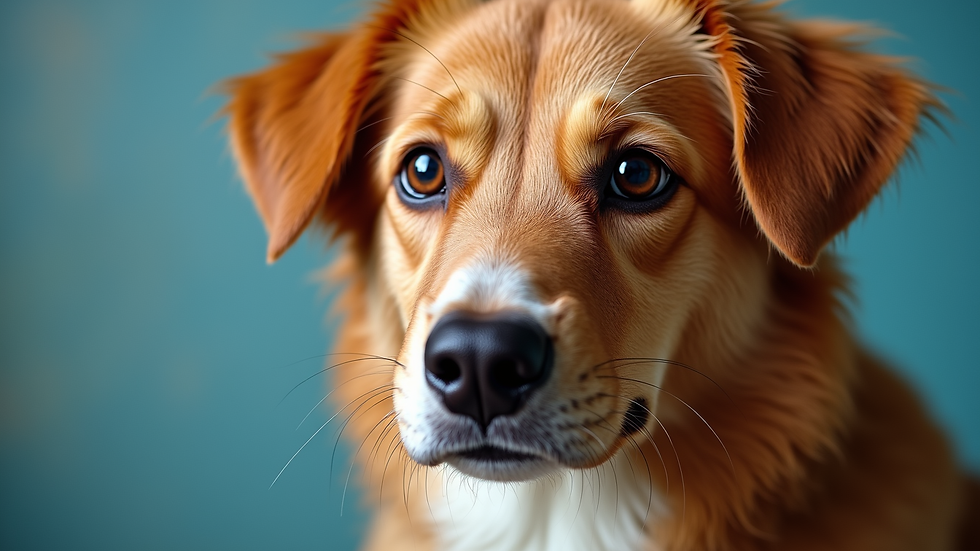
Facial Expressions: The eyes of a pet can tell a story of loyalty, joy, or even sadness. Artists often focus on these features to evoke specific emotions.
Color Choices: Warm colors might convey happiness and energy, while cooler tones can express calmness or melancholy.
Composition: The way a pet is positioned in the artwork can suggest movement, playfulness, or tranquility.
By combining these elements, artists can create pieces that not only depict a pet but also tell a story about the relationship shared with them.
Techniques for Capturing Emotion
Artists employ various techniques to infuse their pet artwork with emotional depth. Here are some common methods:
1. Realism and Detail
Realistic portrayals allow viewers to see the pet as they are, capturing their unique features and personality. Artists often spend hours studying their subjects to ensure every detail is accurate. This attention to detail can evoke nostalgia and a sense of familiarity for the pet owner.
2. Abstract Interpretations
Some artists choose to express emotions through abstraction. Instead of focusing on realistic depictions, they might use shapes, colors, and forms to convey feelings associated with the pet. For example, swirling colors might represent the joy of a playful puppy, while sharp angles could reflect the anxiety of a shy cat.
3. Narrative Elements
Incorporating narrative elements into pet artwork can enhance emotional storytelling. This could involve depicting a pet in a specific setting that holds significance for the owner, such as a favorite park or a cozy corner of the home. These narratives can evoke memories and feelings tied to those locations.
4. Symbolism
Artists often use symbols to convey deeper meanings. For instance, a collar might symbolize loyalty, while a toy could represent playfulness. By including these symbols, artists can add layers of meaning to their work, inviting viewers to interpret the artwork in their own way.
The Impact of Pet Artwork on Owners
Pet artwork can have a profound impact on pet owners. Here are some ways it can affect them emotionally:
1. Celebration of Life
For many pet owners, commissioning or purchasing artwork of their beloved pets is a way to celebrate their lives. It serves as a tribute to the joy and companionship they provided. This can be especially meaningful for those who have lost a pet, as the artwork becomes a cherished memory.
2. Connection and Comfort
Artwork can serve as a comforting reminder of the bond shared with a pet. Having a piece of art that reflects this relationship can provide solace during difficult times, helping owners feel connected to their pets even when they are apart.
3. Expression of Love
Pet artwork allows owners to express their love and appreciation for their pets. Displaying such artwork in their homes can create a warm and inviting atmosphere, showcasing the importance of their furry companions in their lives.
Choosing the Right Artist
When looking for pet artwork, it’s essential to find an artist whose style resonates with you. Here are some tips for selecting the right artist:
1. Research Styles
Take the time to explore different artistic styles. Whether you prefer realism, impressionism, or abstract art, understanding the various styles can help you find an artist whose work speaks to you.
2. Review Portfolios
Look at the portfolios of potential artists to gauge their skill level and style. Pay attention to how they capture emotions and whether their previous work aligns with your vision.
3. Read Reviews
Check reviews and testimonials from previous clients. This can give you insight into the artist’s professionalism, communication skills, and ability to meet deadlines.
4. Communicate Your Vision
Once you’ve found an artist you like, communicate your vision clearly. Share photos of your pet, discuss the emotions you want to convey, and any specific elements you’d like to include. A good artist will appreciate your input and work with you to create a piece that reflects your relationship with your pet.
The Role of Pet Artwork in Healing
Art has long been recognized for its therapeutic benefits. For pet owners, creating or commissioning pet artwork can be a healing process, especially after the loss of a beloved animal. Here’s how pet artwork can aid in healing:
1. Processing Grief
Creating or viewing pet artwork can help owners process their grief. It provides a tangible way to express emotions that may be difficult to articulate. The act of creating can be cathartic, allowing for reflection and healing.
2. Creating Lasting Memories
Artwork serves as a lasting memory of a pet. It can help owners remember the joyful moments shared and keep their pet’s spirit alive. This can be particularly comforting during times of sadness.
3. Encouraging Remembrance
Displaying pet artwork in the home encourages remembrance and celebration of the pet’s life. It can spark conversations and stories, allowing owners to share their experiences and keep their pet’s memory alive.
Conclusion
Emotional storytelling in pet artwork is a powerful way to capture the unique bond between pets and their owners. Through various techniques and styles, artists can evoke feelings of joy, nostalgia, and love. For pet owners, this artwork serves not only as a celebration of their furry companions but also as a source of comfort and healing. Whether you choose to commission a piece or purchase one, investing in pet artwork is a meaningful way to honor the special relationship you share with your pet.
As you explore the world of pet artwork, consider how it can enrich your life and the lives of those around you. Embrace the emotions it evokes and let it serve as a reminder of the love and joy that pets bring into our lives.

Comments